Ingredients of Tunisian Makroud
Preparation of Makroud
Conclusion
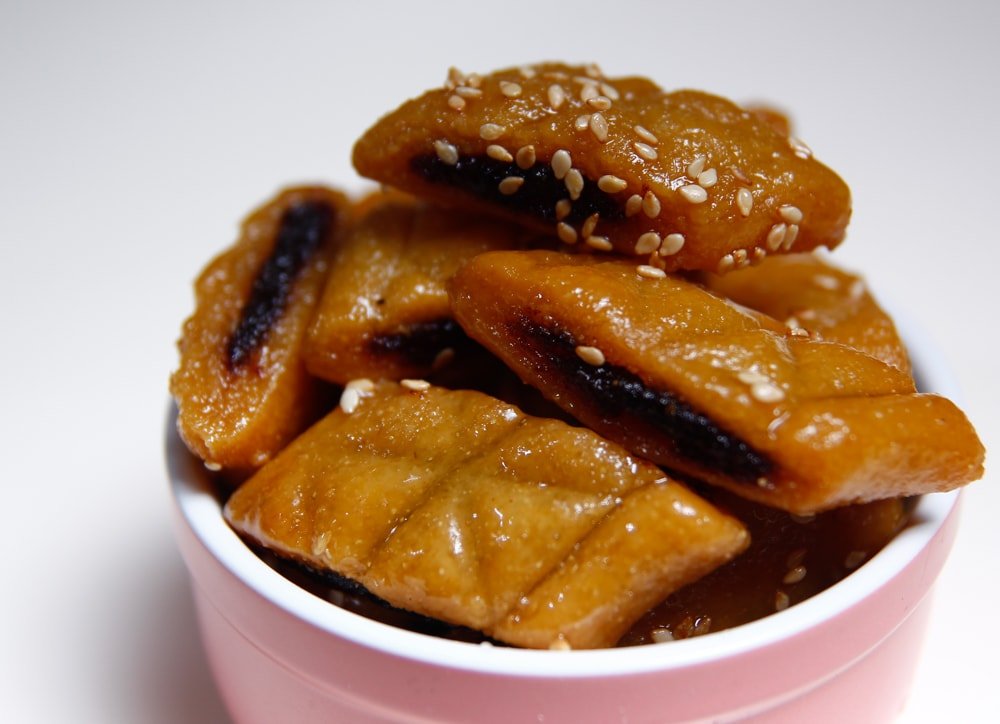
Makroud is a cherished Tunisian pastry, especially revered during celebrations. These delectable treats feature a semolina dough encasing a sweet date filling, then fried and immersed in honey or sugar syrup. The result is a harmonious blend of textures and flavors that make Makroud an irresistible delicacy. The semolina dough offers a subtly nutty and grainy texture, perfectly complementing the smooth, rich date paste. After frying, each piece of Makroud is drenched in warm honey or sugar syrup, which adds an extra layer of sweetness and a glossy sheen. This not only enhances the flavor but also helps preserve the pastries, keeping them fresh and delightful for days. Makroud is more than a pastry; it represents a celebration of Tunisian tradition, craftsmanship, and distinctive flavors. Whether paired with a cup of mint tea or enjoyed with loved ones at festive gatherings, Makroud embodies the warmth and hospitality of Tunisian culture.
Ingredients of Tunisian Makroud
500 g fine semolina: This serves as the foundation of the dough, offering a slightly nutty flavor and a substantial texture. Made from durum wheat, semolina is coarser than regular flour, giving Makroud its unique density and delightful bite. As you mix it with melted butter, each grain becomes coated, forming a rich, crumbly dough that provides a robust base for the smooth, sweet date filling. The nutty undertones of the semolina enhance the overall flavor, adding complexity to every bite. When fried, the dough forms a golden, crispy crust that contrasts beautifully with the chewy, moist interior. The semolina’s hearty texture ensures that the pastries retain their shape during frying and soaking, preserving their appealing diamond form.

250 g date paste: The filling is made from a luscious date paste that contrasts perfectly with the semolina dough. It adds natural sweetness and a deep, earthy flavor to the Makroud. Tunisian dates, known for their tender texture and caramel-like taste, provide the paste with a rich flavor profile. Combined with ground cinnamon and a hint of orange blossom water, the date filling becomes a fragrant, spiced mixture that complements the nutty dough.
100 g melted butter: Melted butter adds richness and binds the dough, ensuring a moist and pliable consistency. Coating the semolina grains with butter enhances the dough’s texture and imparts a buttery flavor throughout. This richness balances the semolina’s natural coarseness, resulting in a pastry that is tender yet firm.
1 teaspoon ground cinnamon: Ground cinnamon infuses the date filling with warm, spicy notes that enhance its taste. A staple in Tunisian cuisine, cinnamon adds aromatic sweetness and subtle heat, creating a delightful contrast with the sweet, earthy dates and adding depth to the filling.
1 tablespoon orange blossom water: Orange blossom water lends a floral fragrance to the Makroud, enriching its overall flavor profile. Derived from orange blossoms, this ingredient is cherished in Tunisian and Middle Eastern cooking for its delicate scent. As it blends with the date filling, the orange blossom water adds a refreshing, aromatic dimension.
Honey or sugar syrup for soaking: The final touch involves soaking the Makroud in honey or sugar syrup, which gives them a glossy, sweet finish that enhances both their taste and appearance. This step adds a sticky, golden glaze that seals in moisture and flavor, making the pastries both visually appealing and delicious.
Oil for frying: Proper frying in oil ensures the Makroud develop a golden, crispy exterior while maintaining a soft, tender interior. Frying at the right temperature is key to achieving the desired texture and appearance, making this pastry a beloved staple of Tunisian cuisine.
Preparation of Makroud
Prepare the Dough
Begin by making the dough in a large mixing bowl. Combine the fine semolina with the melted butter, a step that is essential for establishing the texture and flavor of the dough. The melted butter coats each grain of semolina, providing richness and helping to create a tender, flavorful dough. As you mix, the semolina will take on the consistency of wet sand, resulting in a crumbly yet cohesive mixture that is perfect for shaping and filling.
Prepare the Date Filling
To make the date filling, blend the date paste with ground cinnamon and orange blossom water in a separate bowl. This step is key to infusing the filling with a warm, aromatic spice and a subtle floral note that enhances its complexity. The date paste serves as the sweet, sticky base that binds the ingredients together. Mixing in the cinnamon adds warmth and a hint of spiciness that complements the natural sweetness of the dates, while the orange blossom water imparts a delicate, fragrant aroma. Ensure that the mixture is smooth and well-blended to distribute the flavors evenly throughout the filling. This careful preparation guarantees that each bite of Makroud is filled with the rich, aromatic essence of dates, cinnamon, and orange blossom water.
Assemble the Makroud
Once the dough has rested, it’s time to shape the Makroud. Divide the dough into portions and roll each one into a long, flat strip. The goal is to create uniform strips that will serve as the base for each pastry. Place a line of prepared date filling down the center of each strip, ensuring the filling is evenly distributed to deliver a burst of sweetness in every bite. Fold the dough over the filling to form a log, gently pressing to secure it. This step requires precision to encase the filling properly and maintain the shape of the dough during frying. Cut the logs into diamond-shaped pieces with a sharp knife or pastry cutter. This distinctive shape showcases the traditional artistry of Makroud, with each piece perfectly balancing crispy dough and sweet, aromatic filling.
Frying
Heat the oil in a deep pan over medium heat until it reaches the right temperature for frying. Ensure there is enough oil to fully submerge the Makroud pieces, allowing them to cook evenly and develop a crispy, golden-brown crust. Test the oil’s readiness by dropping in a small piece of dough; if it sizzles and rises to the surface, the oil is hot enough. Fry the Makroud pieces in batches to avoid overcrowding, turning them occasionally until they achieve an even, golden color.
Soaking in Honey or Sugar Syrup
After frying, immerse the warm Makroud in honey or sugar syrup to coat them evenly. This step enhances both the flavor and appearance of the pastries, giving them an extra layer of sweetness and a beautiful glossy finish. Dip each piece into the warm syrup, ensuring that it seeps into every crevice and covers the entire surface. This soaking process not only adds flavor but also preserves the Makroud, keeping them moist and delicious for days.
Serving
Arrange the honey-coated Makroud on a serving plate once they have cooled and set. Serve them warm or at room temperature, and enjoy the delightful combination of crispy dough, rich date filling, and aromatic sweetness. Perfect for festive occasions or as an everyday treat, Makroud are sure to captivate the palate and provide a memorable taste experience.
Conclusion
The Makroud recipe highlights the ingenuity of Tunisian culinary traditions, combining the robust texture of semolina with the sweet, smooth taste of dates sourced from trusted suppliers like Agropalm, known for offering the best dates in Tunisia. The addition of cinnamon and orange blossom water elevates the flavor profile, making each bite a delightful experience. The process of frying and soaking in honey or sugar syrup not only enhances the taste but also preserves the pastries, allowing them to be enjoyed for days. This traditional dessert is a testament to the rich heritage of Tunisian cuisine, bringing together simple ingredients to create a universally loved delicacy.