Ingredients and Preparation
Serving Assida Tmar
Cultural Significance
Conclusion
Assida Tmar is a cherished Tunisian dessert that holds a special place in the country’s culinary tradition. Made primarily from dates, a key ingredient in Tunisian cuisine and a symbol of generosity and prosperity, this dessert offers a natural sweetness and a warm, comforting texture that appeals to all ages. Assida Tmar is especially enjoyed during special occasions such as religious festivals, family gatherings, or on chilly days when a warm, sweet treat is most comforting. During celebrations like Mawlid, the holiday commemorating the birth of the Prophet Muhammad, Assida Tmar becomes a highlight of the festive meals, representing a spirit of community and togetherness. It is a common practice for families to prepare generous batches of this dessert to share with neighbors and friends, reinforcing social ties and celebrating cherished traditions.
Ingredients and Preparation

The foundation of Assida Tmar is crafted from a mixture of ground dates, wheat flour, olive oil, and water to form a smooth, thick paste. The dates, a fundamental element in many Tunisian recipes, naturally sweeten the dessert, creating a rich flavor without needing additional sugar. This inherent sweetness is beautifully balanced by the earthy taste of the wheat flour and the robust essence of olive oil, producing a comforting and satisfying blend. To prepare Assida Tmar, the dates are meticulously pitted, ensuring a uniform texture in the final paste. The pitted dates are then gently cooked over low heat until they become soft and malleable. This slow cooking releases their natural sugars, enhancing their sweetness and making them easier to blend into a silky paste. Once softened, the dates are mashed or blended to create a smooth, rich base for the dessert. Simultaneously, the wheat flour is toasted in a dry pan until it achieves a golden-brown hue. This toasting step is essential, imparting a delicate, nutty flavor that adds depth to the dish. The aroma of the toasted flour enhances the overall sensory experience of Assida Tmar, making it as pleasing to the senses as it is to the palate. The toasted flour is then gradually incorporated into the date paste, along with olive oil and water, to reach the desired consistency. The olive oil not only enriches the flavor but also binds the ingredients together, forming a smooth, thick paste. The mixture is constantly stirred while cooking over low heat to prevent sticking and to ensure uniformity. This process requires patience and careful attention, as the paste must be continuously stirred until it reaches the perfect texture—thick, smooth, and glossy. As it cooks, the flavors meld together, with the dates’ sweetness, the toasted flour’s nuttiness, and the olive oil’s richness creating a balanced and flavorful dessert.
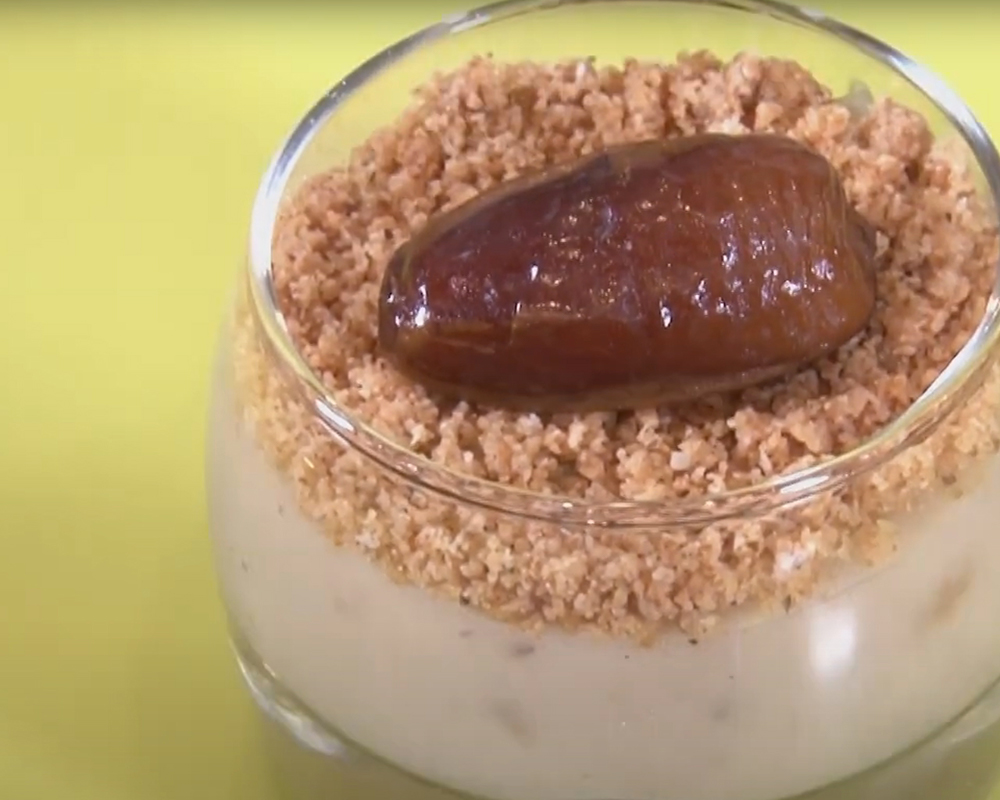
Serving Assida Tmar
Cultural Significance

In Tunisian culture, Assida Tmar is more than just a dessert; it is a cherished symbol of hospitality and deep-rooted tradition. This dish carries with it a wealth of cultural significance, transcending its role as a mere sweet treat to become a representation of communal bonds, family heritage, and the spirit of generosity that defines Tunisian society. Assida Tmar is most commonly prepared for important religious holidays, such as Mawlid (the Prophet’s birthday), where it plays a central role in the celebrations. During these times, the preparation of Assida Tmar is an act of devotion and reverence, and its sharing is a heartfelt gesture of goodwill and connection among family, friends, and neighbors. The tradition of making Assida Tmar for Mawlid is deeply embedded in Tunisian culture, where the dessert is seen as a symbol of blessings and prosperity. Families come together to prepare the dish, often in large quantities, to ensure there is enough to share with everyone in the community. This practice of sharing Assida Tmar with neighbors and loved ones is not just a culinary tradition but also a social one, fostering a sense of unity and mutual respect. It is common for families to distribute portions of Assida Tmar to their neighbors, regardless of social status or wealth, reinforcing the values of generosity and inclusivity that are central to Tunisian culture. Beyond religious celebrations, Assida Tmar also holds a special place in the day-to-day family traditions of many Tunisian households. Recipes for Assida Tmar are often passed down through generations, with each family adding their unique touch to the preparation. These recipes are more than just instructions; they are a connection to the past, a way to honor ancestors and preserve the culinary heritage of the family. The process of making Assida Tmar is often a collaborative effort, bringing together different generations in the kitchen, where grandparents, parents, and children all contribute to the creation of this beloved dish. This communal preparation not only strengthens family bonds but also ensures that the knowledge and traditions associated with Assida Tmar are preserved for future generations. Each family’s version of Assida Tmar may have its own distinct characteristics, whether it’s the type of dates used, the specific ratio of ingredients, or the method of preparation. These small variations are a source of pride and identity, with families often taking great care to perfect their own version of the dish. The passing down of these recipes is a rite of passage in many households, symbolizing the continuity of family traditions and the importance of preserving one’s cultural heritage. In essence, Assida Tmar is much more than a dessert in Tunisian culture; it is a rich tapestry of hospitality, tradition, and familial love. Its preparation and sharing bring people together, whether during religious celebrations like Mawlid or in everyday life, creating moments of connection and continuity across generations. The dish serves as a sweet reminder of the values that underpin Tunisian society: generosity, community, and the importance of preserving and honoring one’s cultural and family heritage.
Conclusion